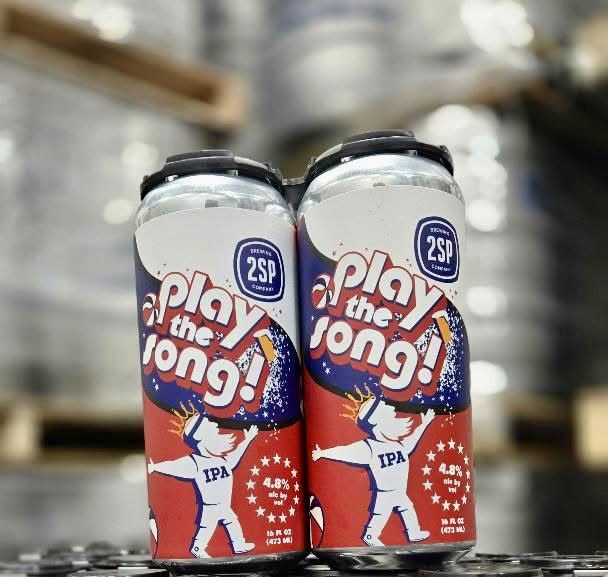
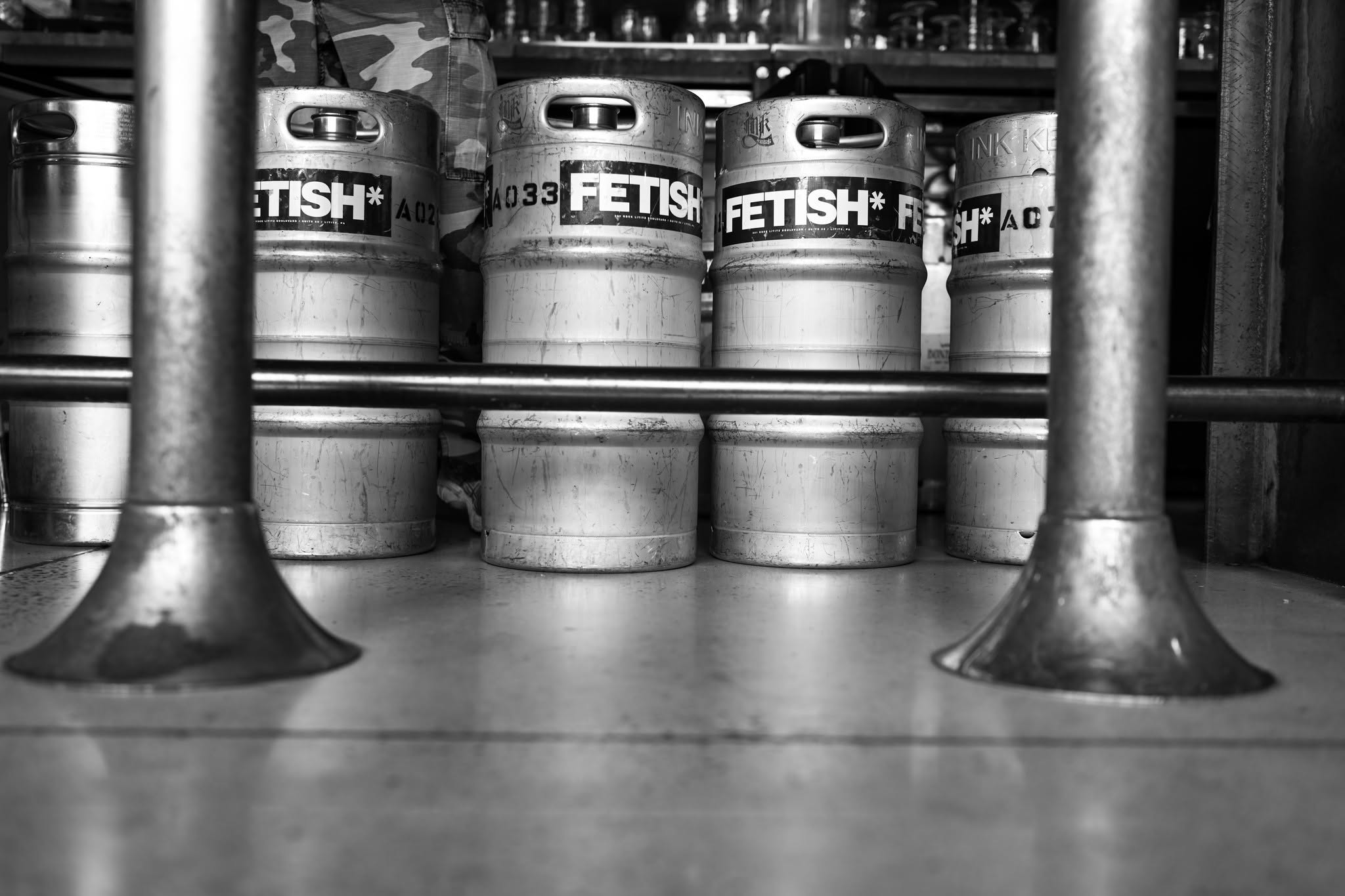
A craft brewery in Pennsylvania requires both artistic ability and technical discipline as well as daily problem-solving. In addition to recipes and taproom experiences, there is usually operational information that determines the quality that is delivered to the consumer. Cold storage has been acclaimed as one of those behind-the-scenes factors that have a direct bearing on freshness, stability, and consistency. With the market situation continuing to change throughout the brewing industry in the state, stringent inventory management has ceased to be a luxury to a need. Knowing why such a change is necessary and how more intelligent storage planning can facilitate it can assist breweries in safeguarding the quality of products as well as long-term energy efficiency.
A Quick Overview
In 2024, statewide grants were directed toward quality improvements for brewers, something highlighted in coverage from the Shapiro administration’s investment in the craft brewing sector. When funding, demand, and supply all tighten at the same time, breweries start looking closely at what moves through their cold rooms and how fast. A lot of brewers know the basic idea of FIFO. First in, first out.
Use the oldest product or ingredients first. But the practical reality inside a cold space is usually more complicated. Pallets get stacked where they fit. Kegs get squeezed between things. Packaging runs shift unexpectedly. That is where a thoughtful FIFO cold storage strategy becomes a real differentiator. It is not just a method. It is an operational rhythm that supports beer quality while reducing waste and keeping cash flow predictable.
Why Pennsylvania Breweries Are Leaning Harder on FIFO
The cold storage planning has assumed a more significant role because the craft beer market has reached a slower and more discriminating phase. The statistics at the national level indicate small production decreases and a shift in the buying habits, which means that volume is no longer sufficient to ensure stability. The state level is no exception, and Pennsylvania has continued to be a substantial producer of craft beer, and some breweries are still gaining national and regional recognition, according to the rankings shared through this Pittsburgh focused briefing. Production strength, however, does not entirely balance tight margins or unbalanced demand.
Such circumstances have motivated breweries to increase their operational focus. In the case of some Pennsylvania manufacturers, a bit larger, recent weak sales have made visible the price of inefficiencies that previously were invisible. Staying in a cold store is a waste of capital, and the beer may not be able to achieve the desired quality when it reaches the tap or shelf. FIFO has outgrown a simple inventory concept in this market environment and evolved into a realistic approach of safeguarding freshness, cash management, and consistency in a more disciplined market.
Building A FIFO System That Actually Works In A Brewery
Setting up an effective FIFO flow inside cold storage is rarely about having a massive space. It usually comes down to organization and consistent movement patterns. Many Pennsylvania brewers begin with a quick audit of their space. They identify where hold-ups occur and which products tend to get buried. Then they adjust the layout so inventory moves smoothly from one side of the cold room to the other.
A key part of this process is choosing the right storage equipment to support natural product flow. For heavy kegs, specialized racking systems help keep these bulky items organized and accessible, making it easier to rotate stock correctly. For packaged items like cans and bottles, many breweries rely on premium used carton flow racks. These gravity-fed shelves keep older stock at the front and gently move newer cases toward the back, promoting consistent FIFO movement. Breweries that maintain successful FIFO systems over time share one habit in common:
They track what enters cold storage daily and adjust movement patterns as new SKUs appear. Even if handling kegs, cans, ingredients, or packaged variety packs, the goal remains the same: keep the oldest items within reach and ready to move out first.
Keeping Beer Quality High Through Better Rotation
A good FIFO system does not just ensure orderly storage, but it is directly involved in the maintenance of beer. A constant cold climate is the basis that causes less stress to the packaged beer and assists in maintaining stability by conditioning for distribution. After establishing such a floor, rotation will be the protective factor that keeps freshness afloat.
Structured movement with the use of a cold room is controlled by design, schedule, or assistive means to ensure that older inventory does not creep out of view. It is of particular concern to hop-forward styles, in which aroma and flavor development are rapid with time. With proper rotation procedures, the breweries preserve the character of every release such that the beer attains the profile desired by the brewer and not that of unnecessary delay.
Why FIFO Matters More in a Slower Market
There has been a growing conversation around market saturation. Some regional reporting, including coverage from Business Journal Daily in its regional craft slowdown report on shifts in local craft beer demand, highlighted how many brewers are now adjusting to stagnant growth. With growth flattening, every keg and every case needs to move deliberately.
For Pennsylvania breweries, FIFO has become one of the easier wins. It lowers the risk of waste, protects brand reputation by keeping product fresh, and reduces the chaotic feeling that often builds inside a cold room. When brewers get this right, distribution partners notice. Customers notice too, even if they never see the storage space itself.
Optimizing Cold Room Design for Efficiency
The way a cold room is arranged not only affects storage efficiency in a very large way, but it also determines how well the whole brewery functions on a day-in, day-out basis. With layout and equipment that facilitate the movement of natural products, FIFO becomes a component of the workflow, as opposed to an additional activity. Such simplification minimizes decision fatigue on the floor and enables the teams to remain focused in case of peak production and packaging.
The flexibility of the Pennsylvania brewing community has been a longstanding characteristic, and the contemporary market pressures render that mindset all the more useful. Considerable cold storage plans enable breweries to conserve the quality of beer and to remain adaptable in preparing production. To individuals who need to make changes in layout, process refinement, or be ready to brew a new batch, reinventing cold room design can provide a valuable payoff. More practical information, specifically in small and mid-sized breweries, will come after, which will provide ideas that will help them be consistent without introducing any complexity they do not require.