Creativity and independence have been the foundation of the craft beer movement. Breweries have become local bars in neighborhoods, but in other regions around Pennsylvania have expanded to become community hubs where locals come together to experiment, collaborate, and enjoy local culture. The very process of brewing has been traditionally based: grain, hops, yeast, and water continue to be the components of each and every batch. However, beneath the surface, digital systems are becoming a popular tool in many breweries, with their production schedules, inventory management, and consistency control being organized and drummed up to the point where their tap rooms and distribution channels are growing larger.
These changes are also influencing the way in which breweries relate to their customers. Many craft breweries have taken on online ordering, mobile payment platforms, and digital taproom management tools as part of their daily operations. These tools make everything easier in transactions and communication and allow brewers to invest more time in further developing recipes, seasonal releases, and events that make the local craft beer scene dynamic and captivating. Technology has continued to assist in the business aspect of brewing, although creativity and community are the values that make craft beer remain in character.
Digital Tools Behind The Taproom
For many breweries, the taproom experience remains the heart of the business. Yet behind the scenes, digital systems now help manage nearly every part of the operation. Point-of-sale software tracks sales patterns, helping brewers understand which styles resonate most with customers. Inventory management platforms monitor ingredient usage and forecast future production needs.
Online reservation systems allow visitors to book tables or brewery tours with just a few clicks. Even customer engagement has shifted online. Social media announcements, digital loyalty programs, and brewery newsletters have become essential tools for maintaining relationships with local patrons. These technologies allow small breweries to operate with efficiency levels that were once available only to large hospitality companies.
Data-Driven Brewing Decisions
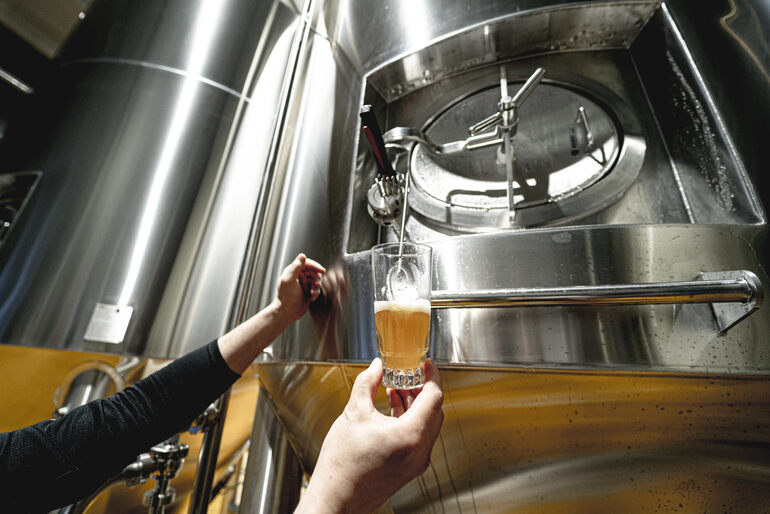
The brewing decisions themselves are also under the impact of technology. Specialized brewing software, which can be used to monitor fermentation data, refine recipes, and track production efficiency at every production stage, is now widely used in many craft breweries. Such tools enable brewers to have a better understanding of the development of each of their batches, so they can make better decisions and retain the nature of their beers. Temperature, pressure, and fermentation activity are measured in real time using sensors fitted in fermentation tanks.
The information can allow brewers to be consistent between batches and identify possible problems in the process at the earliest stage. In cases where the breweries occupy a large variety of styles, such as hop-driven IPAs down to heavy stouts and seasonal releases keep changing the menu, data tracking serves to secure quality without eliminating the possibility to experiment. With such a sensitive industry, in which a minor change can affect aroma, body, and flavor, access to quality brewing data has become an essential aspect of operating a contemporary craft brewery.
E-Commerce And Direct-To-Consumer Sales
The other change that has been evident to breweries is the development of e-commerce. Most craft breweries have moved to selling merchandise, specialty releases, and limited shipments of beer via their websites, making the brands of the followed fan more accessible. These online retail spaces carry the taproom ambience to the Internet, where customers can get acquainted with new releases, seasonal offerings, and merchandise of the brewery without the need to be present in the physical location.
Online platforms are also useful in enabling breweries to coordinate the sale of tickets on occasions like tasting, beer festivals, and guided tours of the brewery. In the case of smaller breweries that compete in the market, these tools generate more sources of revenue as well as increased visibility outside their own neighborhoods. Digital marketing analysis also supports this development by demonstrating what kind of promotion is best received by targeting the breweries to focus more on the promotion and creating a better bond with their audience.
Expanding Payment Options
Among the most obvious developments over the last few years has been the diversification of modes of payment across the breweries. Although cash was previously a dominant method of completing a bar transaction, modern customers desire to pay with credit cards, mobile wallets, or digital payment applications. Contactless payment systems, which have been developed faster in the pandemic, have become the norm in most taprooms. It has made transactions easier and quicker, with visitors being able to touch a phone or card to pay for a flight of beers. Coupled with these established options, there are businesses that have started looking into the emerging financial technologies. The use of cryptocurrency payments is still not widespread in the brewing companies; however, with the introduction of digital assets into mainstream financial discussions, interest has increased.
In the case of owners of breweries that like to keep up with technological trends, the concept of cryptocurrency operation is a subset of financial literacy. Demystification can be achieved by using learning materials that describe the blockchain technology, digital wallets, and cryptocurrency exchanges. Some entrepreneurs who are reading about fintech begin by reading tutorials on how to get start buying Bitcoin with Kraken, which explain the nature of cryptocurrency exchanges, how the transactions are checked on blockchain, and how cryptocurrency wallets are stored safely. Breweries will not necessarily be able to take cryptocurrency directly, but the experience of using these systems indicates a more general trend in the direction of information about digital finances among small entrepreneurs.
Community Remains At The Center
Craft brewing is strongly connected with the community, even though technology has become highly influential today. Taprooms continue to be the places of socialization where your friends get to be together, neighbors get to know each other, and local culture develops. Technology only augments these experiences by enabling more efficient and accessible ways of operation. Event calendars allow web surfers to find trivia events or seasonal releases. Customers are updated on new brews on tap through social media posts.
Digital loyalty programs are a reward to repeat customers and enhance the bond between the restaurant and its most loyal ones. According to the Brewers Association, small and independent craft breweries can sometimes significantly contribute to the well-being of local economies and neighborhood identity as a result of being a form of gathering place as well as sponsors of local events. These are not substitutes for the ambiance of a friendly taproom; they complement it.
Understanding Financial Trends
In the case of small companies such as craft beer producers, keeping up with the economic trends may be as significant as producing a good brew. The technologies of payment, Internet business systems, and online money systems are developing. Although most breweries are mostly interested in the conventional payment systems, there is an expanding discussion on fintech, cryptocurrencies, and blockchain technology. The news of these developments assists the entrepreneur in knowing how financial systems are likely to evolve in the future.
Although a brewery may never directly deal with digital objects, the knowledge of these technologies enhances the overall financial literacy. More and more educational materials aimed at assisting people in learning about digital assets and preventing possible fraud cases can be found in governmental agencies and financial regulators. As an illustration, the Financial Crimes Enforcement Network (FinCEN) offers a guideline that explains how cryptocurrency systems are operated and the way businesses can identify possible financial risks concerning the transaction of digital assets. These sources enable the entrepreneurs to weigh the emerging technologies and, at the same time, practice sustainable business.
Tradition Meets Innovation
Tradition and experimentation have always been a part of the craft beer industry. Brewers celebrate the centuries-old traditions and, at the same time, discover new ingredients, styles, and ways of brewing. The brew kettle is not the only place that spirit of experimentation has grown today. The use of digital tools, new payment technologies, and emerging financial technologies is transforming the way breweries operate and interact with customers. Although the fundamental experience of taking a good beer has not changed, the technology behind the business has changed radically.
This trend can be observed throughout the state as there is a rising number of taprooms, production plants, and collaborative brewing projects starting every year. Reports of new Pennsylvania breweries expanding into new locations and markets are closely monitored by industry watchers seeking to know how the craft beer environment keeps changing as consumer habits change. To the successful local craft beer industry in Pennsylvania, such a combination of tradition and innovation will make sure that the breweries can keep on evolving, expanding, and acting as a place to convene over time.