There’s really a balance that needs to be worked out with pairing beer with tobacco flavours. The light beer is harmonious with light, bright, and clean varieties of tobacco. Amber ale is a versatile beer experience that works well with nutty, toasted, and lightly sweet flavors, and is great for making use of caramelized or roasted foods. Stouts match better with darker, earthier, cocoa-led or smoky profiles, as it has a roasted malt body which works well with darker flavorings and creates a balance between the beer and the food. This Guide has been written for adults who are legally permitted to smoke. It is not intended to induce non-smokers to use smoking or to encourage increased consumption of alcohol and/or smoking products. To clear up the structure of flavours, tasting contrast, and responsible pairing logic.
Best Tobacco Flavour Profiles for Each Beer Style
The best pairing depends on how much flavour weight the beer can support.
|
Beer Style |
Best Tobacco Flavour Profile |
Why It Works |
Profile to Avoid |
|
Light Beer |
Mild, bright, grassy, and clean |
Keeps the pairing crisp and easy |
Heavy smoke, dark cocoa, strong spice |
|
Amber Ale |
Nutty, toasted, lightly sweet, and mild cocoa |
Matches caramel malt and medium body |
Sharp menthol, heavy smoke |
|
Stout |
Dark, earthy, coffee, cocoa, roasted, and smoky |
Matches roast, bitterness, and fuller body |
Very delicate or overly sweet profiles |
Light beer must be under control. Amber ale is a warm beer. Stout needs depth. When you know the simple structure, selecting the flavour profile of the tobacco you want to pick is quite easy.
The changing Beer Style and how it affects the Tobacco Pairing
Pairings depend on beer style because the body, carbonation levels, sweetness of the malt, the overall bitterness of the hops, the intensity of the roasts, and the finish vary by style. Balance is key in dark beer; tobacco will make the heavy brew disappear. A light coloured profile next to a light beer might appear with tones of darkness next to a stout beer. Light beers are generally crisp, clean, and refreshing, so they do not require a heavy tobacco flavor for a balanced beer experience. Amber ales are typically maltier and are produced with caramel, biscuit, or toasted grain flavors, just to mention a few, which complement a stronger tobacco.
Can be used to promote warmer tobacco profiles. They’re the strongest and can be roasted, such as coffee, chocolate, and dark malt, which makes Stout a good choice for more robust and darker flavours. The simplest is to match flavours according to their weight. Pair light beer with a light / medium or moderate tobacco flavour; amber ale with a medium/medium to full tobacco flavour; stout with a bold (dark / roasted) tobacco flavour.
Tobacco Flavour Profiles to Understand Before Pairing
A tobacco flavour profile is the sensory endpoint that is developed by the aroma, flavour, body, and finish. May refer to the tobacco leaves natural notes, curing process, blend style, or any of the tobacco leaves processing, without adding flavouring.
The most common tobacco flavours are:
Note: Hay, dry grass, light citrus, clean finish: bright and grassy.
-
Sweet: raisins, brown sugar, orange juice, honey, maple syrup.
-
Soil, cedar, leather, and dry spice – fiery, earthy, and woody.
-
Dark and roasted: like cocoa, coffee, charred wood, espresso-like bitterness
-
Sweet aromatic: flavors like vanilla, caramel, or dessert.
-
The notes of cooling, fresh, and sharp menthol led.
It is the mildest, sweetest, and smoothest tobacco profile available. It is only the sensory aspect that is described by flavour. Does not eliminate the health effects of using tobacco.
Best Tobacco Flavour Profiles for Light Beer
Light beer pairs best with mild, bright, and clean tobacco profiles. These notes preserve the beer’s crispness instead of covering it. Fruity notes that are good are hay, dry grass, light toast, mild citrus, and a short, clean finish. These profiles are successful because light beer typically has little flavour density. Does not have sufficient malt depth to balance heavy smoke, strong earthiness, or dark cocoa. The light, crisp, clean hops won’t pair well with a strong tobacco taste. Thanks to its gentle and clear tobacco notes, the beer’s carbonation and aromatic, subtle malty attributes stay the star of the show as it is consumed.
Light beer is a type of beer that many people are not interested in drinking.
-
Dark, smoky tobacco, which overshadows the beer.
-
Strong, earthy tobacco can make the beer watery.
-
Very sweet aromatic tobacco, as it may not suit the crisp carbonation.
Dark, heavy tobaccos, as light beers typically don’t have enough of the malt weight to go for dark. Simple, dry, and clean is the easiest beer to pair with the best light beer. It shouldn’t attempt to be overly complicated.
Best Tobacco Flavour Profiles for Amber Ale
Amber Ale’s best complements are nutty, toasted, moderately sweet, and medium body. The pairing of tobacco and beer becomes even more complicated: Amber ale is maltier than light beer, and characteristics of biscuit malt, toasted grain, caramel malt, and moderate bitterness are common to this beer. Choosing the right flavour in tobacco, such as almond, light cocoa, toasted grain, brown sugar, or mild earthiness, complements these malt-forward notes and creates a more balanced pairing.
|
Tobacco Profile |
Beer Note: It Matches |
Pairing Result |
|
Nutty tobacco |
Caramel malt |
Warm and rounded |
|
Toasted tobacco |
Biscuit and grain |
Balanced and savoury |
|
Mild cocoa tobacco |
Medium body |
Soft depth without heaviness |
|
Light earthy tobacco |
Moderate bitterness |
Dry and structured |
Amber ale is more flexible than light beer, but it still needs balance. Very bright tobacco can feel too thin beside the malt. Heavy smoke can dominate the caramel character. Strong menthol can flatten the beer’s warm malt impression. The best amber ale pairing sits in the middle: not too light, not too dark, and not too sweet.
Best Tobacco Flavour Profiles for Stout
Stout works great with dark, earthy, cocoa, and coffee tobacco profiles, and those that are lightly smoked and roasted. This style of beer is roasty enough, bitter enough, and has the body for it to accentuate deeper tobaccos. Dark cocoa, roasted coffee, cedar, leather, wood, dry earth, light smoke, and coffee as bitter and dark as espresso make excellent complementary notes that support and enhance a coffee. The toasty-musty, malty, hoppy apples, piñon, coffee, floral, and spicy notes of this stout are a nice balance with these flavors. A good mix will be bountiful, but not too overpowering. Tobacco will soften with cocoa-led.
Dark malt character can be accentuated with the addition of coffee-like tobacco. Earthy tobacco can be used to give a grounded finish. Light smoke can be used if the stout is sufficiently “full.” Not all bright tobacco and sweet tobacco are delicate enough to be used in stout, and some are too aromatic or sharp with menthol to be used in stout. Sometimes delicate notes will fade. Too much sweetness is a bit cloying. Menthol may disrupt the coffee, cocoa, and roasted malt character of the beer.
Commercial Buying Context for Adult Consumers
For adult consumers who already understand their preferences, product transparency matters as much as flavour preference. Someone comparing roll-your-own options may want clear product details, verified stock information, secure checkout, and a responsible age-verification process before they Buy RYO Tobacco online. Online retailers like Best Smokes Online, Australian Smokes, and other similar sites are referred to as adult-friendly shopping sites that emphasize the assurance of product origin, the candor of product details, competitive pricing, and the ease of ordering. A common focus of these platforms is strict age verification, discreet packaging, customer data protection, and reliable delivery support.
The value for many adult buyers is more than just the variety of products. It’s also about the ability to make comparisons, read the payment parameters, know about the product, and order with greater confidence. This is particularly applicable to customers who are looking at various forms of tobacco, including comparing cartons to RYO tobacco, loose tobacco to brands of cigarettes. The aggressive promotion of tobacco on the Internet is not a responsible way to experience it as a retailer. It should revolve around the accuracy of product information, the ability to access it at a legal age, secure checkout, clarity of policies, and professional customer support.
Common Tobacco and Beer Pairing Mistakes
The big error is picking intensity, not balance. More doesn’t necessarily equal better. Light beer can be spoiled by a strong beer, and a strong beer can be lost with a light beer. The other error is solely dependent on the colour of the beer. Colour provides hints, but is not definitive. Colour is not the only criterion for the body; sweetness and bitterness of the malt, or carbonation and roast of the malt, are more important. While a dark lager can be smooth and moderate, a pale beer could be bitter and intense. Pairing sweet with sweet is another issue. If you are smoking a sweet aromatic tobacco with a stout, it may get too robust.
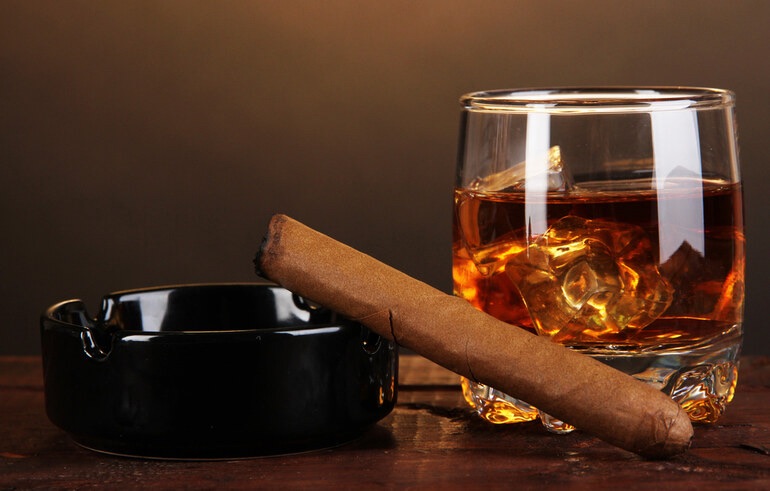
Many times, toasty, nutty, or lightly earthy profiles offer the most balanced results in a cigar and beer pairing. Also, the menthol flavor doesn’t taste well with most others. If used correctly, cooling notes can help to tone down the sweetness and roast complexity, such as in an amber ale or a stout. Menthol works well as an accent in a very crisp style, but is often not a good option for malt-heavy styles. The question to ask is rather, “Do the tobacco notes improve the malt, hop, and yeast character of the beer, or do the Malts, the Hops, and the Yeast get smothered by the tobacco?
FAQs About Tobacco Flavour Profiles and Beer Pairing
Finding the right pairing often comes down to balance rather than strength. These quick answers address some of the most common questions about matching tobacco flavour profiles with different beer styles.
Is Light Beer better with Mild Tobacco?
Yes. Light beer usually pairs better with mild, bright, and clean tobacco profiles because stronger profiles can overpower low malt, low bitterness, and crisp carbonation.
Which is Better with Nutty or Sweet Tobacco: Amber Ale?
Nuttier, toasted, and lightly sweet tobacco flavours are generally a better match for Amber ale. It has caramel malt, which helps to release warm flavors, yet doesn’t over-sweeten the pairing as it can feel weighty.
What Variety of Tobacco is the Best Choice for Stout?
Stout pairs best with dark, earthy, cocoa, coffee, roasted, and lightly smoky tobacco. The fuller body and roast intensity can lend themselves to more depth to flavors.
But is Menthol Tobacco a Good Match for Beer?
The cooling properties of menthol tobacco can overpower the sweetness and roasty notes of beer, which can make it less enjoyable to pair with the tobacco. It can simply be put into a very crisp beer; it’s not the best pairing with amber ale or stout.
Does Beer Strength Matter More than Beer Colour?
Strength is important in beer, but body, malt sweetness, and bitterness/roast are more important than colour. A dark beer may be smooth and medium-bodied, or it can be very dark and hoppy. A light beer can be very nice and medium-bodied, or it can be very pale and hoppy. Depending on the style of beer, the best tobacco flavour comes from certain varieties. Mild, bright & clean profiles make the best light beer.
Amber Ale should be at its base, injected with a nutty, toasted, and lightly sweet profile. Stout is best matched with dark, earthy, cocoa, coffee, and a light smoky taste. To make a good pairing, it is not one where either side tries to be at its highest flavour. Gives balance to body, aroma, sweetness of malt, bitterness, and finish. As an adult reader, focus on flavours and don’t exaggerate facts; look for information-rich stores where you can get accurate details about the product, order without problems, and know that there will be strict age checks.