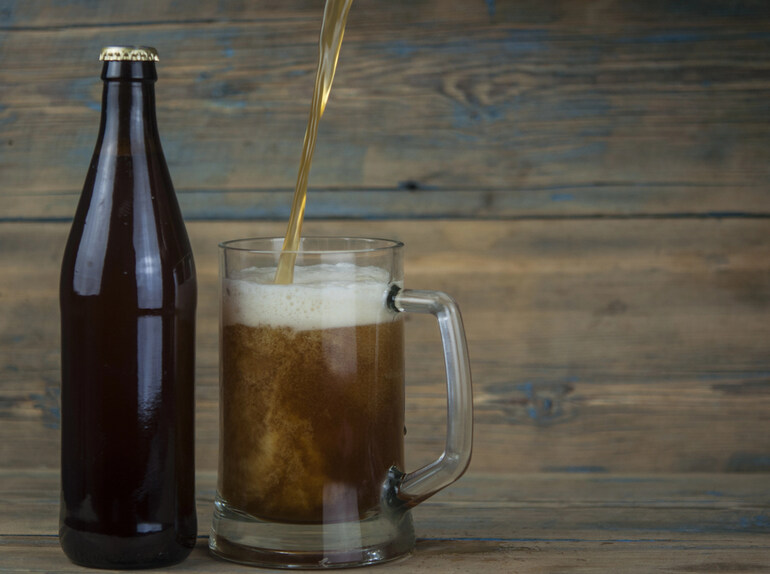
Pennsylvania has grown into a booming craft beer scene that encompasses a variety of ingredients, brewing methods, and flavor profiles that are all outside the mold of “standard” beer. The state’s beer industry is a blend of tradition and innovation, from the historic beer-making towns to new independent brewrooms.
Beer is made from a basic mix of ingredients: hops, malt, yeast, and water, but innovative brewers are experimenting with fruits, herbs, coffee, spices, and other unique ingredients. The additions enable breweries to create recognisable brands and offer customers a new taste sensation.
Other factors, such as local agricultural traditions, also factor into the brewing process, leading to the use of ingredients linked to Pennsylvania’s farms and seasonal crops.
With a little understanding of the part these ingredients play in the making of a beer, you’ll learn a little more about some of the most interesting beer varieties in the state and the importance of experimenting in modern craft beer culture.
Coffee and Specialty Ingredients stimulate new thinking in brewing.
Inspiring new ideas in brewing is the task of coffee and Specialty Ingredients.
Roasted coffee has now been widely used in experimental beers, particularly in the context of darker varieties where roasted coffee flavors will harmonize with the darker beer. These chocolate, caramel, and toasted grain aromas are added to different parts of the brewing process by the brewer.
Specialty beverages are an ever-evolving market, and experimentation has grown beyond traditional coffee. Cooking and creative combinations of mushrooms highlight the imaginative ability of mushroom producers with regard to unique combinations of flavors in the drinks.
Brands such as Ryze offer an interesting perspective on contemporary beverage creativity, familiarizing consumers with mushroom coffee and various methods for using specialty ingredients.
Pennsylvania’s specialty beverage market gives inspiration for creating innovative concoctions for Pennsylvania brewers who like chasing the next big thing.
It is the appeal of knowing the interactions of various ingredients. The perfect, interesting aromatic qualities can be drawn out of carefully selected varieties of coffee that can break up malt-forward beers and provide a memorable tasting experience.
Pennsylvania’s Agricultural Heritage Influences Brewing
Pennsylvania’s agricultural landscape provides breweries with opportunities to explore locally sourced ingredients. Farms throughout the state produce fruits, grains, herbs, and other crops, transforming ingredients that can contribute to distinctive beer recipes.
Breweries have the opportunity to develop products that are linked to their local area with locally grown ingredients.
Pennsylvania apples may be able to provide “gifts” for summer beer, such as aroma, or Pennsylvania-grown honey may be used to provide sweet and delicate floral notes.
Some breweries contact farmers directly in an effort to purchase specialty grains or to experiment with new farm crops.
These are essentially partnerships that aid regional companies and provide better clarity on food ingredients’ provenance.
This could be useful to someone who would like to learn the local food culture and the origin of ingredients, and how this influences the final product.
By developing products that can serve as a representation of their communities and offer new experiences, Pennsylvania breweries will be able to bring tradition and modernity together.
To add a surprise to the fruity flavor combinations, use Fruit Additions.
The use of fruit has become a major component of creative craft brewing, especially when it comes to adding sweetness, acidity, and aroma to the brew as well as adding a visual element.
Different fruits contribute different qualities to each beer,r with each type of beer using different fruits providing different flavors.
A tartness can be accentuated with the addition of raspberries or cherries in the making of some sour beers. For lighter seasoned dishes, add aromatic peaches and apricots for softer accents of taste.
Pennsylvania’s fruit-growing region is an opportunity for the brewery to benefit.
It is important for the brewer to pay attention to the type of sweetness and aromatic properties of the fruit during fermentation, as these properties may change during the process.
The use of subtle additions of different flavors from fresh fruit in some recipes, while others show up prominently.
The best pairings enable the individual beer style and ingredients to complement each other.
The pieces illustrate the ingenuity behind familiar farm products transforming into the foundation of innovative craft drinks.
She gives them traditional styles and enhances them with herbs and spices to add complexity.
In pre-hops beer, brewers often used herbs and spices.
Modern craft breweries have found a new way to harness their creative abilities with these ingredients in new recipes that draw on traditions and culinary experience from the past.
Coriander and orange peel are common ingredients in some wheat beers, and cinnamon, ginger, and nutmeg are also common in seasonal beers.
Other brewers try out rosemary or lavender or even local botanicals to produce new and distinct aromas.
Care must be taken with the amount of each addition. Balance is particularly crucial with strongly flavored herbs and spices since they can alter the overall profile of a drink.
The brewers can test their ideas in small quantities before being ready to release bigger numbers.
With this method, they can try out various combinations without compromising on quality.
These beers offer opportunities for customers to experience familiar food ingredients in a new way, while also highlighting new industry opportunities for creative brewing.
Barrel Ageing Introduces New Dimensions of Flavor
It is not a requirement to add an unusual ingredient to the recipe to make it a creative brewing method. Distinctive characteristics can also be obtained from the type of ships that are used during ageing. The type of ship used during ageing can also give unique characteristics.
Many, many craft breweries that brew specialty stouts, strong ales,s and “experimental” releases have adopted barrel ageing as a preferred method.
The flavors of vanilla, oak, caramel, and dried fruit can come through in the final product from a wooden barrel used to mature the bourbon, wine, or other liquor.
The results vary according to the original beer, barrels used, and how long the beer is aged.
Pennsylvania’s craft brewers can apply this method to produce limited releases that will attract customers looking for more in-depth flavor experiences.
These products can be a considerable commitment from the brewery since they have to be aged in barrels, which takes time and space, and must be monitored closely.
The opportunities for customers to enjoy the nuance between traditional and barrel beer come in the form of tasting events and small-batch releases.
The technique demonstrates how patience and production methods can become important creative ingredients when recreating a historic recipe.
Seasonal Experimentation Keeps Pennsylvania Beer Culture Interesting
The seasonal brew helps independent breweries seasonally create new recipes and jump in to customer tastes on a year-round basis.
Light beer styles and subtle botanical flavors can be characteristic of spring releases, and fresh fruit accents of summer beers.
Fall is a time for adding ingredients that are harvested, like apples, spices,s and specialty malts.
In the cooler months, breweries can add more complex notes, such as roasted grains, coffee, chocolate, or barrel-aged flavors.
Also, the seasonal releases are limited, which helps to foster interaction between the brewers, farmers,s and local food producers.
Such collaborations can spark innovation and reinvigorate ties with the independent business community in Pennsylvania.
Experimenting is a chance for the brewery to learn new skills and techniques, and find a mixture that could be permanent.
Ultimately, Pennsylvania’s most interesting craft beers reflect the creativity and technical knowledge of the people producing them. The diverse brewing scene includes coffee, fruit, herbs, locally sourced agricultural products, as well as innovative aging techniques.
With a flair for experimentation and values embracing the local, the state’s craft breweries are a cohort still evolving, creating their own uniquely crafted beverages that reflect the principles of craftsmanship, local pride, and innovative ingredients.