As a growing brewery finds itself running out of space, they have not yet implemented all the expansion plans. While the production spaces are being used to pack, kegs are occupying space, event gear is on the floor, seasonal products are on the shelves, and overflow taproom supplies take up space. Beer programs evolve with rotating releases, festivals, and expanding distribution, and maintaining organization of all these items becomes an integral part of running a competent brewing operation instead of the loss of precious space due to the ever-increasing inventory.
When Container Storage Fits Brewery Growth
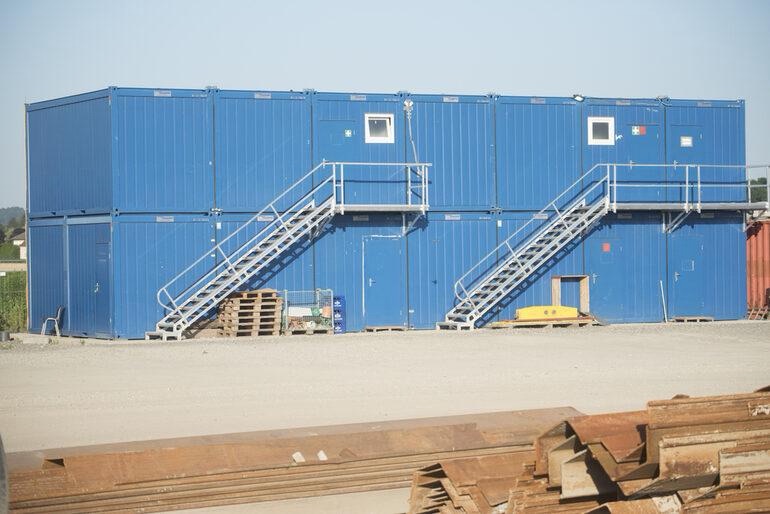
A container works best when the storage need is separate from brewing, cellaring, and packaged beer handling. A brewery comparing temporary warehouse space with a 40 ft. high cube container gets about 39 feet of internal length. To be honest, there isn’t a standard unit height or volume, and the numbers below are estimated. Toates: Internal height is approximately 8′ 10,” and capacity is approximately 76 cu. m. (cubic meters), depending on unit specifications.
Building an enlarged budget will be based on the contents. Empty kegs, cardboard case trays, festival tents, jockey boxes, tap handles, signage, and dry event equipment work well in the format over finished beer, which is sensitive to temperature. There are also restrictions on grain storage as well, as the malt must be stored in dry and cool conditions, and heat, pests, and moisture must be avoided.
Storage Uses That Benefit From a Container
Useful for the brewery if a precise location is required for large amounts of items not used in the brewery. The most effective applications are those where there is a wide range of seasonality and temperature fluctuations, products can be palletized, and separation from brewing, cold room, packaging, and taproom service areas can be achieved.
Seasonal Packaging
Packaging space is surprisingly large for seasonal packaging as breweries change out their labels, trays, cartons, carriers, can wraps, and branded shipping materials. During a brewery expansion, a container gives those items a dedicated area, leaving the production floor clearer for pallet movement and daily packaging work. A packaging container stays more useful when inventory control connects storage layout with production timing:
-
Keep limited-release cartons near the door during the month they enter use.
-
Separate outdatedartwork soo th old materials do not return to the packing line.
-
Store label rolls inside sealed bins to reduce dust and humidity exposure.
-
Mark partial pallet quantities so staff do not reorder before checking remaining stock.
Empty Kegs
Empty kegs fit container storage because they take up room without needing the same space as active production. Stainless half-barrel kegs are bulky even when empty, and mixed stacks create clutter near keg washers, loading doors, and cooler entrances. A dedicated unit keeps empties out of traffic paths.
Event Equipment
Event equipment spreads across a brewery quickly. For craft brewers, pop-up tents, folding tables, tap towers, jockey boxes, banners, electrical cords, taproom signs, merch bins, and portable coolers all need clean storage before market days, beer festivals, and private events. The table adds planning details for event items that create different handling needs inside a container:
|
Event item group |
Loading method |
Storage note |
|
Pop-up tents and frames |
Hand carry or cart |
Keep fabric bags off the floor on the rack shelves |
|
Jockey boxes and tap gear |
Two-person lift |
Store near the door for inspection before events |
|
Signage and banners |
Flat shelf or vertical slot |
Separate printed surfaces from wet gear |
|
Folding tables and barriers |
Forklift pallet or rolling cart |
Tie off tall stacks to prevent shifting |
Good event storage also supports faster post-event cleanup. Wet tents, muddy mats, and sticky draft parts need a separate return zone before cleaning. Mixing them with dry packaging or taproom decor creates odor, moisture, and extra sorting work.
Planning a Budget Expansion
A container is helpful when it can help to move, protect, and monitor inventory. Space should be available for delivering materials, moving forklift parts, opening the doors, storing pallets, and providing access to the site for employees. Other factors, including temperature variations, stored ground conditions, shade, and ventilation, also influence stored materials.
Delivery Access
Delivery access can impact the ability of the container to fall to the desired location where the brewery needs it. There needs to be room for a 40′ unit to approach the truck, unload, and be placed. Careful planning of the location helps to minimise disruption around the delivery of the brewhouse, movement of the kegs, and around the taproom. The narrow alleys, low wires, soft pavement, parked cars, and narrow gates add additional handling pressure, which can slow down the otherwise efficient brewery flow. Access planning relays information between the storage unit and the movement in the brewery:
-
Install doors at entry points where pallet jacks/carts are coming into and going from the taproom without entering the taproom guest spaces.
-
Provide space around the container for temporary pallet storage when loading and unloading.
-
Avoid forklift traffic in areas where grain is delivered and customer parking areas.
-
Look up at the overhead area when choosing a location in proximity to awnings or utility lines.
-
Make sure that rainwater will not collect at the door threshold.
Ventilation and Racking
Ventilation is important because of the effect outdoor temperature changes have on steel containers. Condensation forms at night with the warmth of the day’s air and the coldness of the surfaces. Vents, air gaps, pallets, and desiccant are used to protect cardboard, fabric, labels, and other branding and packaging materials, along with event supplies, from moisture-related damage. Use vertical space for storage with racking. A high cube container has an added height to a regular container and will be useful for higher shelving, empty container stacking, and tall event items. Heavy products are placed on the bottom shelf; lighter cartons, banners, and rolled-up textiles are placed on the top shelves.
Expansion Planning
Some items that are best stored in a container include seasonal packaging, empty kegs, event equipment, taproom overflow, and non-perishable items. An organized storage container is a boon for breweries that are operating in a space-challenged environment and do not want to become a catch-all for forgotten items.
Labeling is important; racking, pallet space, ventilation, access for delivery, humidity checks, and staff routines all come into play. During any brewing transition, organizing items and keeping them stored in an orderly manner allows for a more efficient workflow. A budget expansion is more effective when stored items are readily accessible, easily transportable, and not mixed in with the brewing, packaging, and taproom activities that ensure that beer gets to the customer.