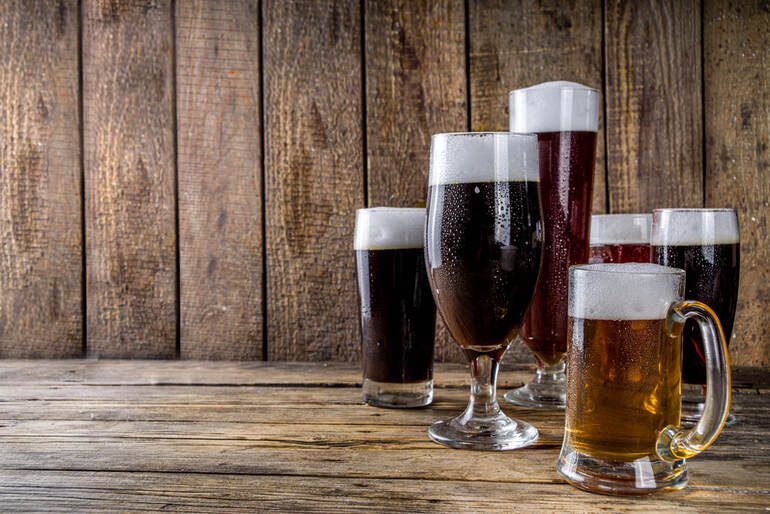
A beer flight can make a long tap list easier to read. Four small pours give visitors a chance to discover which flavours appeal to them, from the citrus-forward character of an IPA to the clean, refreshing finish of a crisp lager. This tasting approach also makes it easier for breweries to introduce unfamiliar styles and help guests develop a better understanding of their beer preferences. The flight works best when there’s a reason for the glasses to be next to one another.
At Back Porch Brewing in Carlisle, Pennsylvania, guests can pick any four of the brewery’s beers for a flight. A drinker with a favorite style can compare close neighbors. Someone who rarely drinks craft beer can use those four spots to find out which styles they’d like to explore. The same tap list can produce two very different paddles.
Give the Flight a Question
A light American lager and a German-style pilsner might look alike in the glass. Tasting them side by side makes it easier to notice which has the firmer hop bite and which finishes more softly. A drinker who likes both can spend a third spot on another pilsner and see how much variation there is even among beers with the same style on the menu. Someone starting with a wider question can try a pale lager, a wheat beer, an IPA, and a stout. Visitors who are new to craft beer can also benefit from practical advice on visiting a brewery for the first time, including asking brewers for recommendations and exploring unfamiliar styles. The small pours make it easy to revisit an early favorite. A beer might make the strongest first impression, while another is the one a drinker wants to return to after tasting the rest.
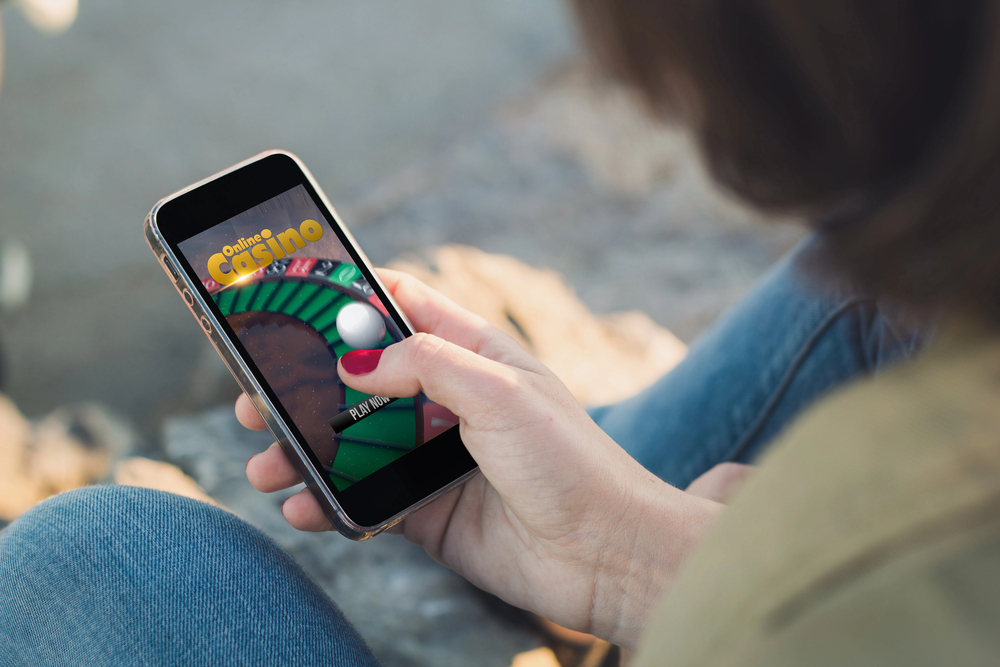
A clear unit also helps when comparing the cost of a round across different games. In an online casino slot, the number beside the reels can show the value of a coin or the total stake. If a game uses 25 active paylines and the stake is one cent per line, the spin costs 25 cents. The field labeled Total Bet shows the full amount at stake for one spin. That’s the figure to compare across games.
Two Ways to Fill Four Glasses
The Back Porch Brewing beer menu describes a rotating tap list. The exact beers on the paddle can change with each visit. These two sample flights show what to look for when choosing among the beers that happen to be pouring.
| Spot on the paddle | Compare close neighbors | Explore different styles |
| 1 | Pale lager as a baseline | Pale lager for a clean starting point |
| 2 | Pilsner to compare the hop finish | Wheat beer for a different aroma and texture |
| 3 | A second pilsner to compare two takes on one style | IPA to see how much hop flavor appeals |
| 4 | Amber lager to see what toastier malt adds | Porter or stout to try a roasted finish |
Back Porch has brewed Infringement 22, an American lager, and Late Nite Pils, a German-style pilsner. Those two make a useful pair if they appear together. On a different visit, two IPAs might be the better comparison. Leaving enough in each glass for a second sip helps. Sometimes the difference is easier to name after you go back to the first sample.
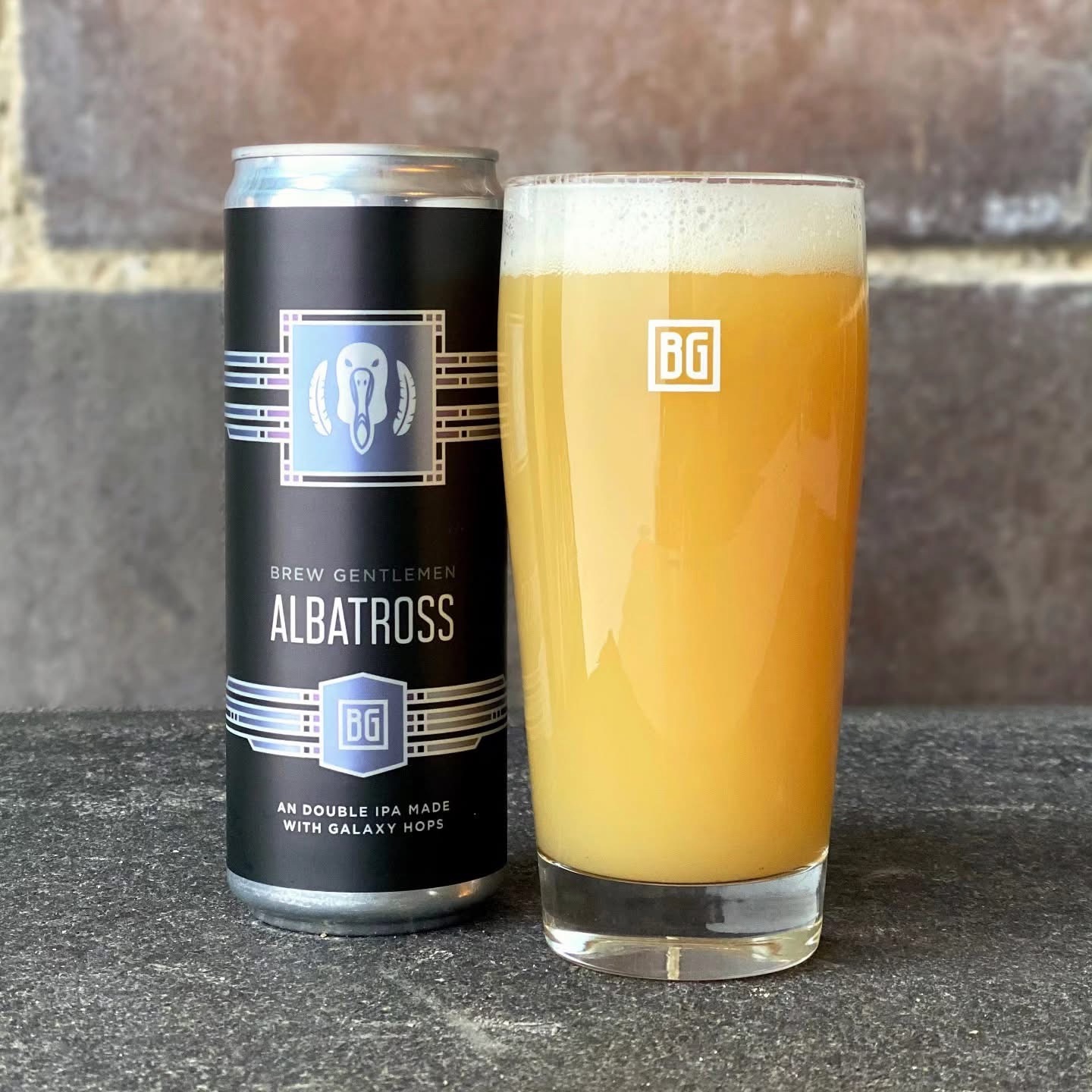
A flight can also make a menu description more useful. Two IPAs might both promise citrus notes, but one can evoke sweet orange juice while the other delivers the sharper bitterness of grapefruit peel. Sampling them side by side helps drinkers recognize these flavour differences and gives breweries a natural way to highlight the distinctive character of each brew. That’s a better clue for the next order than remembering that both were listed as fruity.
Let the Quiet Beer Go First
A beer’s color is easy to see when the paddle lands. Flavor intensity is more useful for deciding where to start. A pale IPA with an assertive finish can linger longer than a darker, gentler lager. The North American Brewers Association’s tasting guide suggests starting with lighter beers before moving toward fuller-bodied ones. At a taproom, that can be as simple as leaving the strongest-tasting pour for later.
A short tasting routine can help keep the flavors distinct.
- Smell before sipping. The first impression might be bread crust, citrus peel, or coffee. One recognizable detail is plenty.
- Observe what remains after taking the sip. Bitter, sweet, and roast may appear differently in the finished product than in the aromas.
- Drink a glass of water and then go back for more. A second pour is particularly useful after a beer that has a greater body.
A flight may be received in the order that they were poured. When you have two beers next to each other with gold colored heads, it helps to avoid the guesswork at the beginning when you’re trying to figure out which is which. Also makes it easier to ask the follow-up question if the bartender returns.
The Cleaning Up After Beer:
The best beer to drink on the paddle is often the simplest. A drinker might recall the hops or coffee aromas of an IPA or stout. The beer that makes you want to drink more may be more subdued, with a dry finish that’s appropriate to dinner. These are two different scenarios a flight can show.
A stronger hoppy finish or a softer roast provides the bar next time around with a natural beginning. Flavour preferences can also play a role in future recommendations when the tap list changes, assisting drinkers to discover new products without straying from the type they like. It can be more rewarding to return to a beer that you love and the attributes that made it so special.