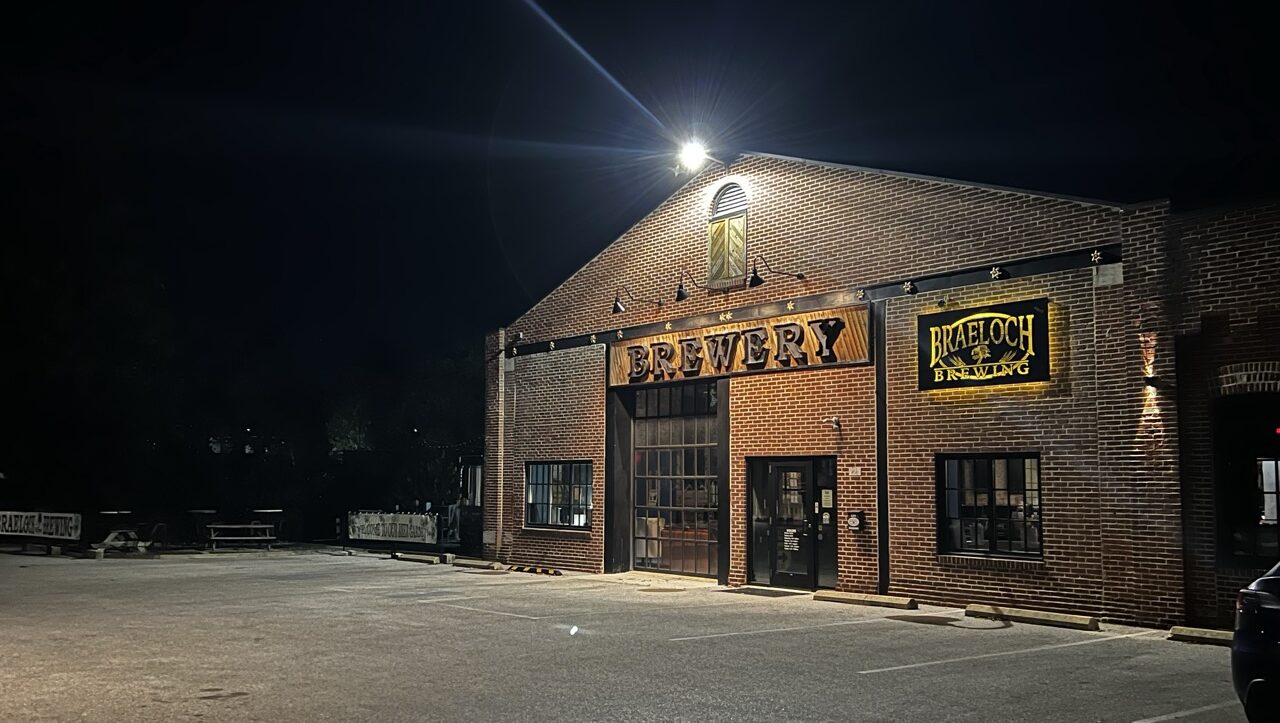
Breweries run on precision. The quality of grain, the well-being of the yeast, and sanitation determine whether a batch is going to reach perfection or be a failure. There is one thing that can spoil it all, though, and it is brewery pest control. Rodents, pantry insects, and flies are a threat at all levels, including the mill room and packaging, which can affect the taste and safety. The management of pests is as important as all the cautious measures in the brewing process.
The Compliance Reality
In the United States, good manufacturing practices fold pest management into daily operations with verifiable preventive controls. Canada’s Safe Food for Canadians Regulations require a written preventive control plan that states who does what, where, when, and how. Auditors look for mapped devices, trap logs, corrective actions, and training records.
Where Contamination Starts
Pests follow moisture, sugar, and shelter across three predictable areas. In the mill room, stored product insects ride in with malt and thrive in warm, dusty corners. They chew starch and leave husks. In wet processing, fruit flies breed in drains and on film under and behind equipment. They carry wild yeast and bacteria that wreck flavor. Outside near waste, rodents and filth flies feed on by-products and trash, then move inside through small gaps.
Working With The Right Partner
In food and beverage production, especially in breweries, comprehensive commercial pest control services take an in-the-background role of keeping things clean and safeguarding brand equity. You should find a provider who charts devices, verifies thresholds, and reports trends in plain language. Inquire about their separation of exterior, storage, and wet zone tactics. Ensure they plan programs based on business-based pest control cost drivers such as frequency, facility risk, and seasonal pressure, and that the brewery pest control strategies are written and open to audit.
Quick Risk Map
| Zone | Primary Pests | Why They Come | What Gets Harmed |
| Raw Storage | Beetles, weevils, mites, mice | Grain aroma, dust, humidity | Starch yield, lot integrity |
| Fermentation & Packaging | Fruit flies, roaches | Sugary residues, damp drains | Flavor profile, microbiological counts |
| Exterior & Waste | Rats, house flies | Spent grain, litter, and standing water | Sanitation scores, complaint risk |
The Three Zone Playbook
The Three Zone Playbook breaks the brewery into clear areas of focus, making pest control manageable and effective. By targeting each zone strategically, you reduce risks before they spread. This approach ensures both product quality and operational safety stay top priority.
Storage And Handling
Keep grain moving. Rotate inventory FIFO, empty bags fully, and vacuum dust rather than sweeping it into cracks. Seal wall and ceiling penetrations. Palletize and keep aisles clear for inspection. Inspect incoming lots for insect fragments and webbing.
Processing, Fermentation, And Packaging
clean the floors quickly, relocate equipment, and scrub all the surrounding surfaces that are in contact with the product. Apply enzyme drains to loosen biofilm, change sticky traps often, and track the number of pests. The control of fruit flies requires the elimination of residual residue since a clean drain is a silent drain and a silent drain keeps your batches safe and appetizing.
Externals, Rubbish, And Services.
Close the loop outside. Reduced pressure is caused by tight lids on bins, haul-offs, trimmed vegetation, and light placement distant from the doors. Stopping easy access is done by door sweeps and screens. Store by-products and transfer them off-site speedily.
IPM In Plain Terms
Proactive beats reactive. Use monitoring to decide when to act and what to target.
- Set Action Thresholds: Define the numbers that trigger a response for each pest and zone.
- Monitor And Identify: Use pheromone traps for stored product insects, light traps for flies, and snap traps where rodents travel.
- Prevent First: Sanitation, exclusion, and dry conditions reduce food, water, and harborage.
- Control Wisely: Choose food-safe pest control methods and keep pesticide use minimal, targeted, and verified.
Food Contact Safety Without Compromise
Any chemical work must protect ingredients, tanks, and packaging. Labeling, storage, and application need rigid controls. Hydrophilic actives can carry over into wort; hydrophobic residues tend to bind to solids and leave with spent grain. Keep the logbook and the work supervised by certified professionals.
Costs That Hit The Bottom Line
Infestations drain money in ways that accountants notice. Lost raw materials, dumped batches, overtime for deep cleaning, and downtime for audits all pile up. Spoilage organisms vectored by fruit flies change acidity and aroma, forcing disposal even when the beer is safe to drink.
What This Means For Kitchen Adjacent Spaces
Many breweries operate a taproom or run food programs. That brings commercial kitchen pest control into the same conversation as tank hygiene. Floor drains, dish pits, walk-ins, and trash corrals create overlapping risks. An integrated program simplifies training and keeps both sides of the operation inspection-ready.
A Note On Pennsylvania’s Beer Culture
Breweries compete on beer and on the experience around it. Pennsylvania’s scene shows how beer and entertainment mingle; the draw of craft brews grows when facilities are clean, odor-free, and fly quiet.
Why Cleanliness Matters To Local Reputation
Clean restrooms, quiet drains, and crisp air set the tone before the first pour. That is one reason Pennsylvania breweries invest in visible cleanliness, along with back-of-house controls. The best programs fade into the background and let the beer talk.
Commercial Scope, Food Grade Mindset
Breweries need commercial pest control that reads like quality assurance. Clear responsibilities. Clean handoff between shifts. Photos with findings, not vague notes. Training that sticks. For operators with food service, the plan should cover both brewing areas and the kitchen, linking sanitation steps across staff so tasks never collide.
Practical Signals Your Program Works
- Fewer findings in traps month over month, especially near mill intakes and drains.
- Faster cleanup times after packaging shifts because residue buildup no longer returns.
- Documented corrections after every nonconformance, with before and after photos.
Budgeting Without Guesswork
Commercial pest control cost should track activity, not inertia. Increase visits during warm months and harvest periods when grain insects spike. Dial back when monitoring numbers fall below thresholds. Pay for targeted service in high-risk zones instead of blanket treatments.
Brewery Pest Control: Protecting Quality from Grain to Glass
Quality control involves brewery pest control. It protects starch production, maintains the consistency of flavor, and adherence to regulations. Outside the production floor, it maintains audits without stress and tasting rooms welcoming, thus giving each pour the respect and attention it deserves throughout. Should you wish a continued point of view in the field, the Brewers in IPA beer blog is a good place to keep learning.