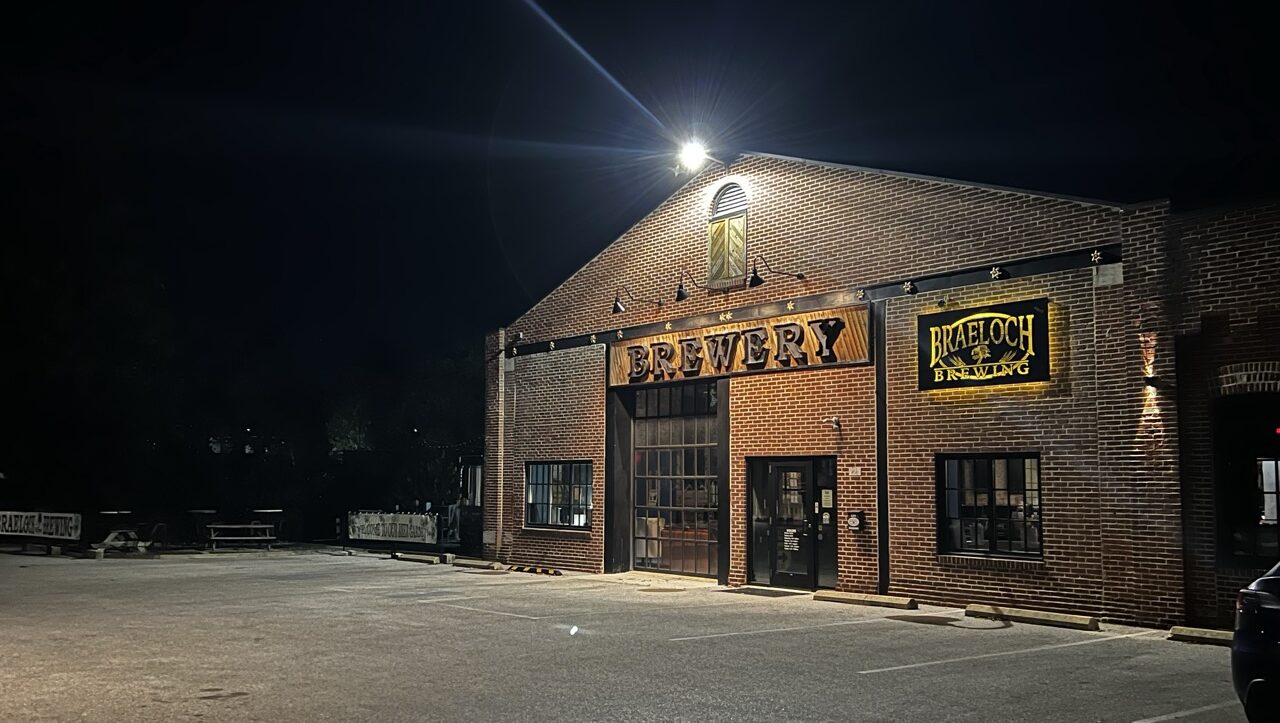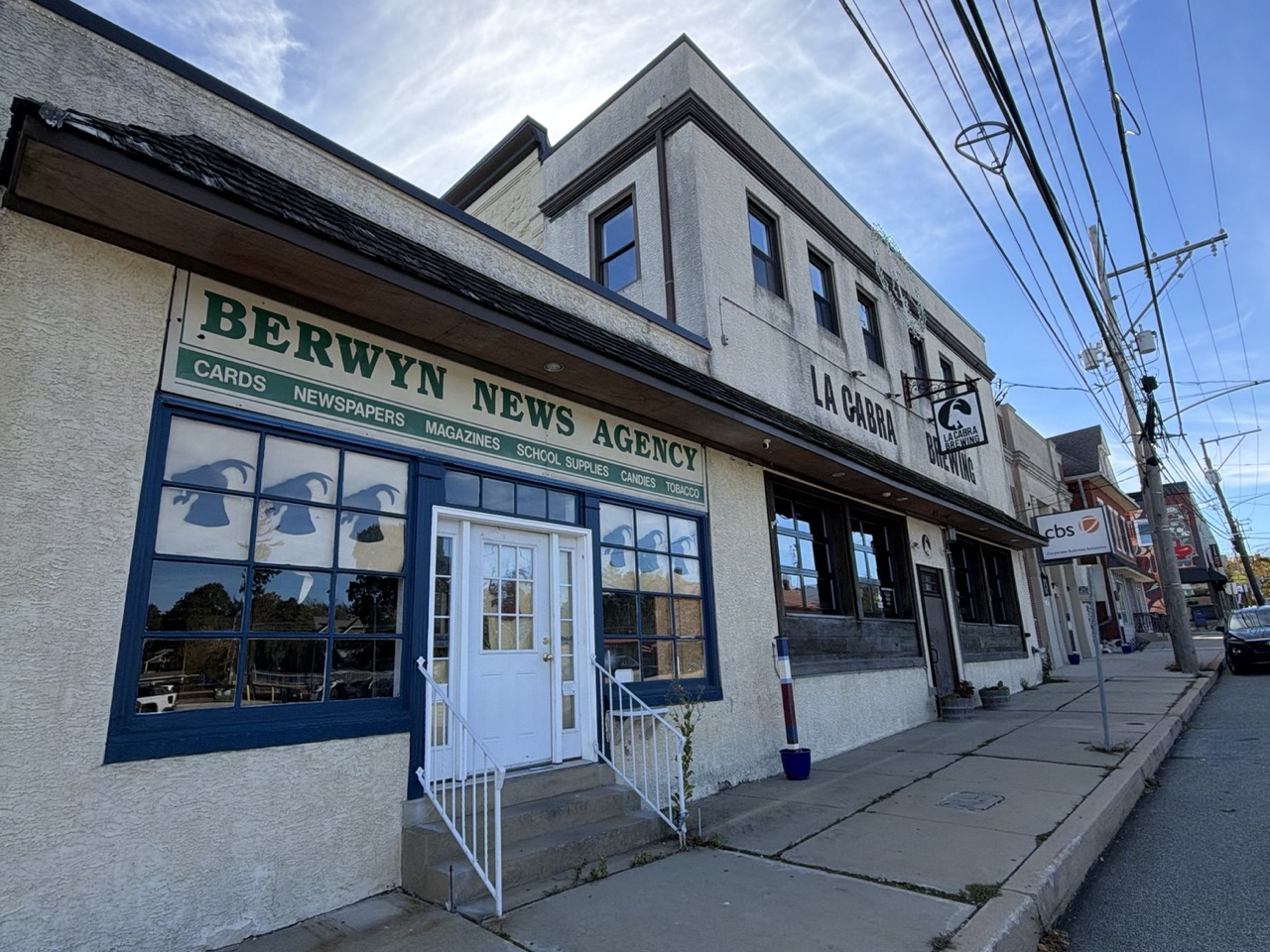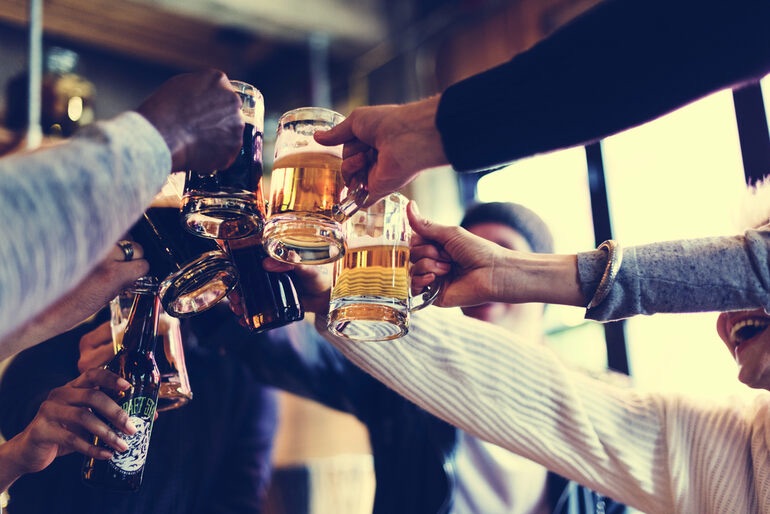
Pennsylvania’s brewing industry has evolved to a stage where the best brewers aren’t necessarily going head-to-head just for their quality. What sets the best breweries apart from the best-of-the-rest is the experience they offer in their taprooms. While great beers can draw people to the door, memorable experiences will cause people to come back. The same applies to weeknight programming; it can make a brewery a regular hangout for its patrons and a familiar place in the community, something that happens frequently. Networking on and off the pint glass takes place at trivia nights, live music, community events, and themed events.
But more than just turning the weekend into a fun party, breweries that foster a welcoming vibe all week often get to know their customers, and get their customers to know them better, and have a stronger loyalty to the brand as a result. The outcome is a place that is more like a neighbourhood than a business, and activity and conversation are happening on seven days per week. The savvy brew-pub owners who “get it” have created businesses that continue to prosper even in the low-traffic months of retailing that are so common in their category.
Why the Weekend-Only Model Became Economically Marginal
In an overpopulated state of more than 400 breweries in the metros and small towns, the traditional weekend-only brewery model has become a viable economic proposition. The math no longer works when businesses are running high-dollar, two-night-a-week tap rooms, and the breweries that are still around after the 2020 implosion have created reasons for customers to visit on Mondays and Tuesdays and again on Wednesdays and Thursdays. Embracing craft brewery diversity through inclusive weeknight events, community partnerships, and varied experiences can further expand that appeal. The upside is that the costs of weeknight programming are generally low, and the customer relationships that are established during these events are often more meaningful and lasting than weekend “transactional” visits.
Trivia Nights are the Defining Weeknight Format
Trivia nights have become the defining weeknight format across Pennsylvania’s brewery scene. The format works because it draws a predictable crowd, creates a reason to arrive at a specific time, gives teams a structural excuse to stay for multiple rounds, and produces social interactions that wouldn’t happen during a normal taproom visit. The strongest brewery trivia programs use professional hosts, themed weeks, prize structures, and community-board recognition that turn regular teams into actual brand ambassadors. Some Pittsburgh and Philadelphia breweries have built waitlists for their trivia nights that extend weeks out, which speaks to how central the format has become.
Pickup Leagues and The Rise of Taproom Competition
Pickup leagues and casual sports gatherings have become another weeknight staple. Breweries near population centers now host dart leagues, shuffleboard tournaments, pool nights, and even video games for bar setups that draw consistent crowds. Some venues have also begun experimenting with social gaming integrations, partnering with platforms like mybets.us. The shared casual model, which has driven gaming operator products, is a complementary model that provides gaming customers a new incentive to stay for the evening, especially on slower mid-week evenings when visitor numbers are lower.
The format of a structured competition provides the motivation for customers to choose a particular night of the week, encourages team loyalty among customers, and generates consistent revenue that can’t be matched by walk-in customers. Investing in these league structures will typically result in a higher amount of dollars spent per visit by the participants than will be spent by the average taproom guest. Players show up early to get their food, to get a fresh pour of their drinks, and they’ll be back at the games week after week, and after the games to socialize. The constant engagement builds a greater sense of community, and taprooms can also generate steady revenue throughout the week, even during the slowest weekend times.
How Live Music Moved into the Weeknight Rotation
What was once weekend-only entertainment has changed too, and Live music programming has moved from being a Friday-night-only feature to a weeknight differentiator at the best operators. Acoustic Tuesday or Wednesday Open Mic nights cost relatively little to program but provide a consistent atmosphere for the customers who prefer a quieter midweek visit. The breweries that have built strong relationships with local musicians can rotate talent through their schedules without paying premium rates, and the resulting culture of musical community creates the kind of regular attendance pattern that more transactional formats struggle to produce.
The Food Programming that Keeps Regulars Returning
Food programming has also expanded substantially. Many Pennsylvania breweries now host weekly food truck rotations that bring different cuisines into the taproom on different weeknights, giving regulars a reason to return on multiple nights to try different food options. The breweries that have permanent kitchens have used weeknight programming to test menu innovations and run themed weeks built around specific ingredients or regional cuisines. The food layer has become so important that breweries without strong food integration are increasingly disadvantaged in markets where competitors have built robust programs.
Beyond casual gatherings, workshops, and educational programming, it has been a worthwhile transformation into a weeknight category. Exhibitions of the art of brewing for novices, beer-and-cheese pairings by guest experts, mead-making workshops, and evening bottle-share events are now commonplace at the brewery operators who engage with their communities most deeply. The educational component draws in customers who are looking for something more than just a beer experience, and the connections formed as part of these events often translate into a regular trip to all of the other events the brewery puts on.
Why Charity Programming Anchors the Community Connection
Local breweries have also embraced impact-driven evenings and Charity and community-cause events. It’s now an integral part of the weekly night schedule. Local non-profits team up with breweries to organize fundraising nights, which take advantage of the brewery’s regular patrons, but also attract other customers who are attending the event solely for the charity. The community-cause structure is a perfect fit with the brewery’s positioning as a “local-first” operation, and creates a bond with the city and other municipal groups, one that no marketing campaign can buy. The breweries that have made this a part of their program are the most attuned to the community. Programming has been tailored to accommodate families at the breweries that have invested in family-friendly facilities, and it’s now a category all its own.
Kids trivia, paint and sip nights for parents, board game nights for kids, and even theme nights for families on slow nights have hit parent revenue streams that traditional brewery programming is unable to hit. As more people get to experience the brewery environment, its reputation is evolving to be more family-friendly, and the brewers who have made their mark in the industry known as family-friendly are reaping tangible business benefits. The category has grown to the point that municipal partnerships sometimes form around these family events, and local school districts and parks departments cross-promote them as substitutes for the more traditional family entertainment areas.
Why the Brewery has Become Pennsylvania’s Most Adaptable Community Gathering Space
The deeper insight from watching Pennsylvania breweries succeed at weeknight programming is that the brewery format itself has proven more adaptable than almost any other category of community gathering space. The combination of comfortable seating, food and beverage service, varied physical space, and a local-first identity gives breweries the flexibility to host almost any community-oriented event. The breweries that have leaned into this flexibility have become the most reliable community gathering spaces in their towns, taking over functions that bowling alleys, lodges, and community halls used to provide.
The category will keep developing, but a clear pattern has emerged: the most flexible and adaptable gathering space in a community gets the most support. In much of Pennsylvania’s distinct, small and mid-sized communities, breweries have taken on that mantle, offering everything from a casual gathering for drinks to a live performance or league to a community gathering. This flexibility enables taprooms to remain open during the week and enhances their role in the local community.