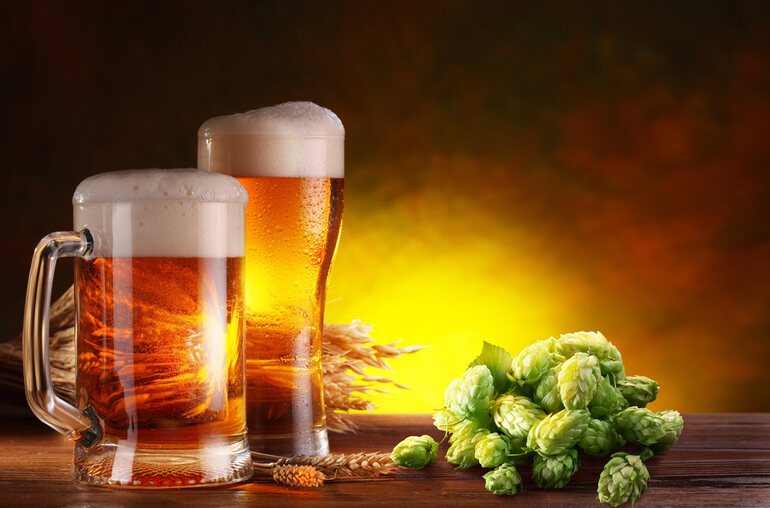
The brewing hops are normally dried after harvest, compressed into bales or made into pellets, and then kept under cool storage. With fresh-hop beer, the cycle isn’t quite as easy. The moist cones must reach the brewhouse quickly. That short trip creates one of craft beer’s most seasonal releases. A Pennsylvania wet-hop pale ale cannot simply be reproduced in February with hops taken from ordinary cold storage.
The Harvest Starts the Brewery Clock
The aromatic oils found in hop cones give hop beverages their citrus, floral, herbal and resinous flavor. After the cones have been sorted, heat, oxygen, and abrasion start to change the cones. Commercial hops are actually dehydrated to be stored and transported. With wet hops, it’s a bit different, with both day and harvest day having to coincide. A preview period is also useful for testing a product before its official launch in digital entertainment. Before a new title joins catalogues of online pokies, its provider might provide it to the operator, reviewers, or players with a demo.
A test version is a version that shows the layout, pace, and bonus features of the reel, without having to make any cash wager. It can demonstrate the mechanics of the game, but a brief demo doesn’t guarantee future outlooks and cannot provide you with any personal idea of how much it entails. If the beer is fresh-hopped, sensory evaluations are done at the farm. The brewer can rub cones together before picking to see if they’re sufficiently roasted, can view the lupulin colour and compare scents before they reach a harvest site. Prolonged car rides may lead to loss of the desired character.
Fresh Hops Are Mostly Water
Fresh cones cannot be substituted ounce for ounce for pellets. According to the American Homebrewers Association’s hop-harvest guidance, freshly picked hops are roughly 80% water and may be used at four to six times the weight of dried hops. That difference affects the recipe. A big block of plant material absorbs wort, requires space, and poses handling challenges in wort handling equipment, which is designed to be used with pellets. Brewers should consider losses and not let the beer “muck” out too much.
Before the cones enter the kettle or another stage of production, the brewery may check:
- harvest time and hop variety;
- aroma and condition of the cones;
- travel time since picking;
- temperature during transport;
- the amount of leaves or stems in the delivery;
- the wet-hop quantity required for the batch.
Adding more cones does not guarantee a better beer. Their timing and contact with wort influence which aromas survive.
A Local Supply Chain Makes the Style Possible
Pennsylvania breweries benefit when they can work directly with farms in the state. In September 2026, Clarion River Brewing hosted P(a)NW Fresh Fest using hops supplied by Hop Stop Farm. Its list included wet-hopped pale ales and IPAs from Clarion River, Premise, Stick City, Aslin and East End. The event was not only proof of the connection between fresh-hop beer and place, but it was a Sunday evening ’bout a pack of spots.
A farm can work in concert with multiple close-owned breweries; instead, as the fresh hops are closer, they don’t have to wait as long in boxes or sacks. This is particularly significant when planning a hop beer event. That’s when the brewery requires its own brewer and a finalised beer recipe, as well as some staff members who are in place. The fresh hops won’t stand around for days waiting for the tank or harvest schedule to change; that doesn’t work, and everyone must follow the program.
Wet Hop and Fresh Hop Usually Mean the Same Thing
Breweries commonly use “wet hop” and “fresh hop” for beer made with undried cones. The terminology is not standardized. Some producers apply “fresh hop” more broadly to recently harvested hops that have already been dried or pelletized.
The distinction matters because each format behaves differently:
- wet whole cones bring substantial moisture and delicate harvest aromas;
- dried whole cones retain their physical form but store more reliably;
- pellets concentrate hop material and are easier to measure and transport;
- concentrated extracts reduce plant matter and offer tight dosing control.
None is automatically superior. Pellets provide year-round consistency, while wet hops capture a particular harvest and season.
Packaging Does Not Stop the Clock
Fermentation and conditioning take time before the beer reaches the tap, much like the growing process requires the right conditions to produce quality hops. The breweries limit the amount of oxygen that touches the beer, try to maintain a stable temperature, and try to bottle the beer quickly. Bright aromas can become dull and stale when subjected to heat and oxygen. An unrefrigerated can placed in a cool corner of the stockroom will be more likely to retain the brewer’s original flavor than an unrefrigerated can placed in a warm corner of the stockroom.
Use a few features at the taproom and at the bottle shop to help you determine when you should really try it:
- a packaging or release date;
- confirmation that wet, undried hops were used;
- refrigerated storage;
- a clear description of the farm or variety;
- service reasonably close to the seasonal release.
The point is not that every fresh-hop beer must be consumed immediately. Vivid hop aroma is simply one of the main reasons it was made.
The Distance Becomes Part of the Flavor
The fresh hops punch up the convenience of bringing your own brew on the go. The window for picking cones is set by the farm, and production can start when the brewery decides. After picking, the hops begin their journey whilst moisture and heat destroy their quality. Like a seasonal IPA, despite being seasonal, this fresh hop brew is not only in season, but also irresistible. It is a reflection of a real constraint in agriculture: one harvest, no real time for long-term storage, and a few minutes to get a taproom in contact with a Pennsylvania hop field.