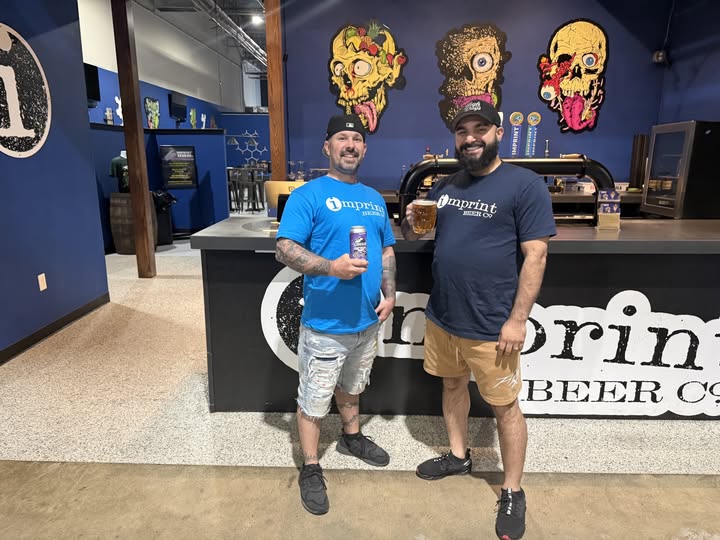
In a drastic shake-up for Pennsylvania craft beer, High Days, a brand known for its Delta-9 THC-infused beverages, recently announced on social media the acquisition of Hatfield-based Imprint Beer Co. The acquisition marks a dramatic pivot for Imprint, a brewery that achieved cult status for its heavily fruited “Schmoojee” pastry sours and hazy IPAs but has spent the last year navigating intense operational disruption, financial strain, and severe community backlash.
The transaction brings together two very different sides of the modern beverage industry: a traditional craft brewery facing the harsh economic realities of physical production and a rising brand in the rapidly expanding hemp-derived THC beverage market.
To understand the context of the acquisition, it is necessary to look back at the chaotic events that unfolded at Imprint’s Hatfield facility. Late last year, the craft beer community was left reeling when Imprint abruptly eliminated its entire production and packaging staff.
The layoffs occurred with minimal notice just weeks before the Christmas holiday, triggering a wave of public outrage. Former employees took to social media to voice their frustrations, with one worker reporting they were let go in a mere 38-second phone call. Compounding the friction, the brewery initially blamed local government officials for the operational collapse.
In addition the brewery made a public statement (which was quickly deleted) announcing it would completely “stop beer production in Hatfield,” citing unexpected and unsustainable economic pressures. Specifically, the brewery pointed to the Hatfield Municipal Authority, claiming the town had levied more than $200,000 in sudden wastewater and water usage surcharges following Imprint’s 2021 brewery expansion. According to ownership, these surcharges added a restrictive financial burden to every barrel of beer produced.
The public narrative quickly grew hostile. Hatfield Township issued a formal response to defend its municipal practices, and industry insiders noted that heavy production of sugary, fruit-puree-laden beers like the Schmoojee line requires substantial wastewater management that typically triggers municipal fees if not treated on-site. As online criticism mounted from former staff and disappointed customers, Imprint went on the defensive, deleting its explanatory posts, blocking critics, and engaging in public arguments in online review sections.
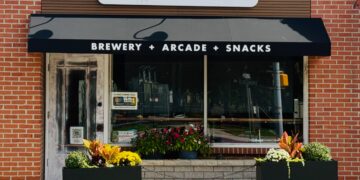
While the physical brewing operations in Hatfield were completely abandoned and production was temporarily moved to contract brewing out of state, the brand kept its Hatfield taproom and arcade open, insisting that brand demand remained healthy. However, the operational model was fundamentally broken.
The acquisition by High Days represents a lifeline for the Imprint brand, but it also signals a massive shift in direction. High Days specializes in hemp-derived Delta-9 THC beverages, offering products like infused birch beer and watermelon sodas ranging from 10mg to 50mg of THC per can.
By taking ownership of Imprint, High Days secures established taproom real estate and a brand name that, despite recent public relations struggles, still commands a loyal following among niche craft beverage enthusiasts. For Imprint, integrating with a THC beverage portfolio offers an escape from the traditional beer distribution hurdles and high-overhead brewing costs that led to its initial downsizing.
While exact terms of the deal have not been publicly disclosed, this move points to a larger trend where struggling craft beer spaces are being absorbed or repurposed by cannabis and alternative beverage brands looking for established hospitality footprints.
Moving forward, the challenge for High Days will be navigating the legal complexities of selling hemp-derived cannabinoids alongside or in place of traditional alcohol in Pennsylvania, while attempting to repair the fractured relationship between the Imprint brand and the local Pennsylvania community. For now, the era of independent beer production for Imprint in Hatfield has officially come to a close, replaced by a new era of alternative formulation.
It is worth noting that a new license for Imprint Beer was filed on June 11th, 2026 with the previous ownership group still listed as owners. So no word on when the license to the business officially transfers to High Days.